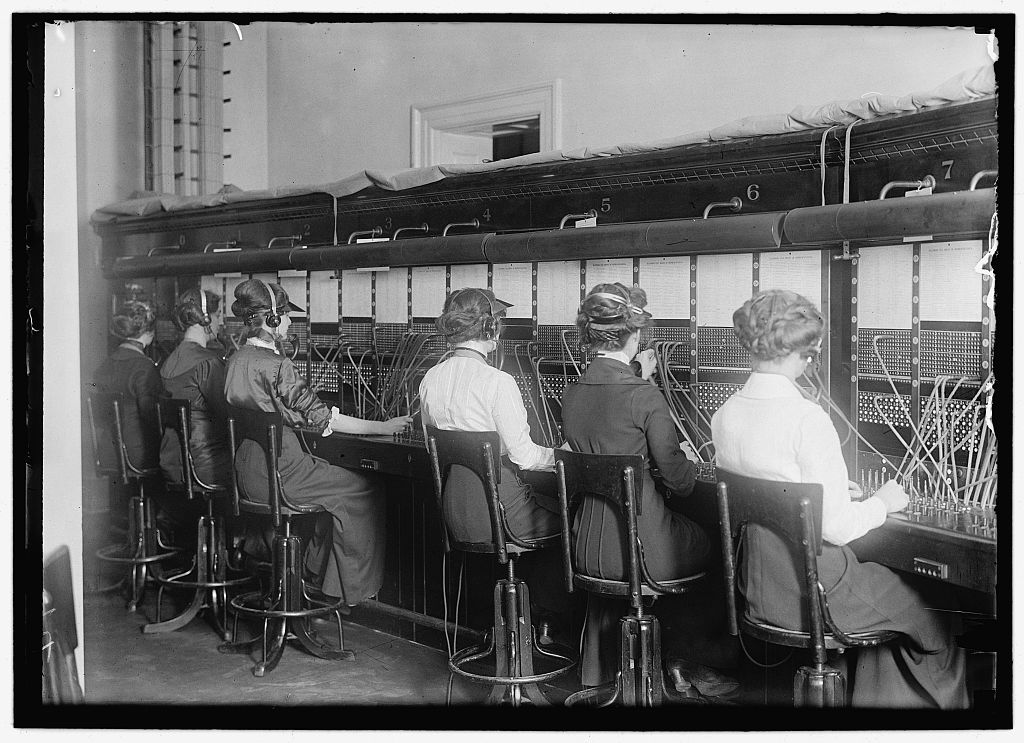
Who Actually Runs the Supply Chain?
Sales promises a delivery date. The plant decides the production sequence. Supply Chain has to deliver the promise. Who can resolve the conflict?
Six principles. A twelve step planning process, from the supply model through S&OP, MPS, MRP and capacity planning to the shop floor. And the operating model around it: systems, policies, roles, measurement and proof. Select anything to open its definition, a worked example and a question to test yourself against.
This is not the order the process runs in. It is the order the model is easiest to learn in: start with the outcome, then what controls it, then what has to be true first, then the machinery.
Each model is illustrative and deliberately simple. The point is the direction and the shape of the response, not a forecast of your own numbers.
The working vocabulary of planning and control, as practitioners use it. Where a term is contested, the entry says which reading is used here and why it matters.
These are diagnostic instruments. Each entry gives the definition, how it is counted, and the thing that most often makes the number lie. Read the set as a stack: master data feeds plan performance, plan performance feeds execution, and execution feeds customer service.
It fails through design decisions nobody was asked to make, or made once and never revisited. Each pattern breaks one of the six principles, which is what lets you diagnose it rather than just regret it.
Sales promises a delivery date. The plant decides the production sequence. Supply Chain has to deliver the promise. Who can resolve the conflict?

Between operating-model design and system implementation sits the question neither side owns: how this supply chain is actually steered.
Why execution feedback closes the order loop while leaving the lead times, lot sizes and capacity assumptions untouched.
Questions about an article, a tool or a planning problem?